Tuckpointing & Repointing Services
Professional mortar repair that strengthens your masonry and stops water damage.
What Tuckpointing and Repointing Really Mean
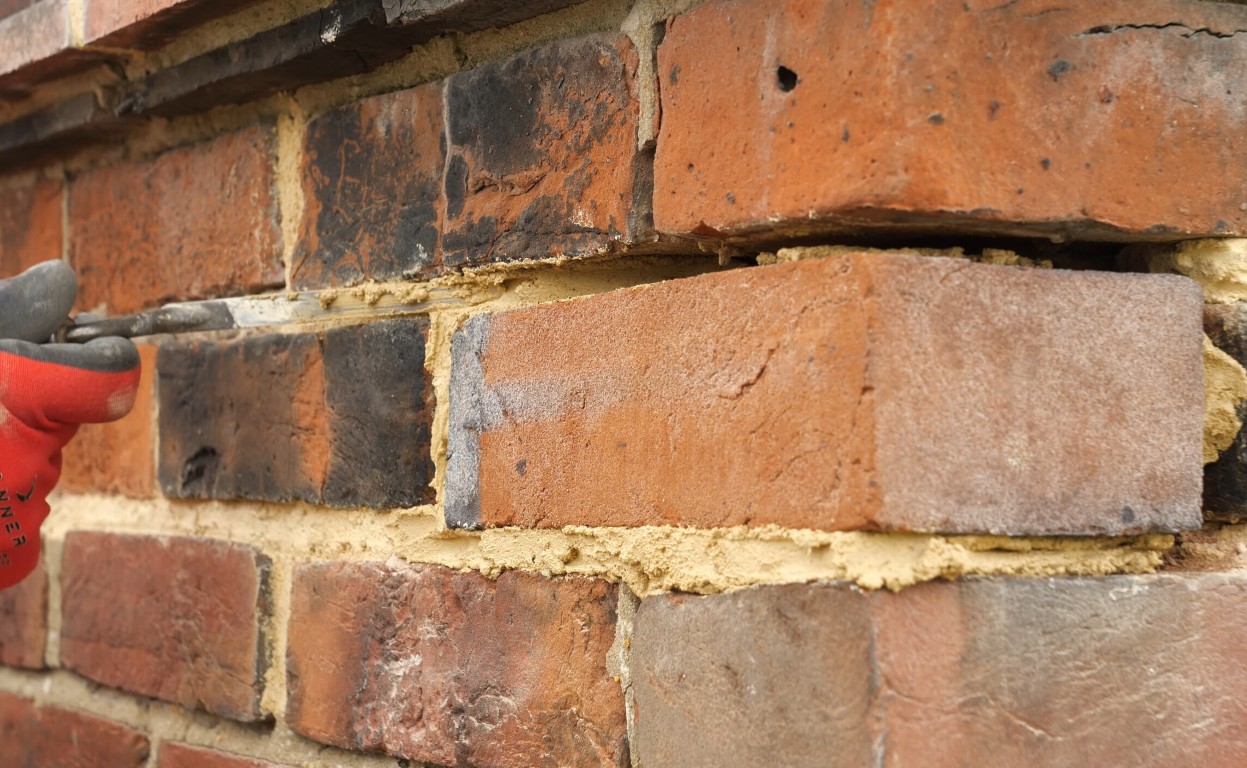
Most people use these terms interchangeably, but they are slightly different. Repointing means removing old, damaged mortar from between your bricks and replacing it with fresh mortar. Tuckpointing is a specific repointing technique where we use two colors of mortar to create clean, precise lines that make your brickwork look sharp and well maintained.
The mortar between your bricks does more than hold them together. It creates a weather barrier that keeps water out of your walls. When mortar starts cracking and falling out, water seeps behind your bricks. That water causes bigger problems like mold, interior damage, and even structural issues. Here in Eugene, OR, our wet climate makes good mortar joints especially important.
Old mortar breaks down over time. Temperature changes, moisture, and age all take their toll. Most mortar needs repointing every 25 to 30 years, though some lasts longer. The key is catching deterioration early before water gets behind your bricks and causes expensive damage.
Signs Your Mortar Needs Attention
Mortar damage shows up in obvious and subtle ways. Walking around your home and looking closely at your brickwork tells you a lot. Here is what to watch for.
Warning Signs:
- Cracks running through mortar joints
- Mortar that crumbles when you touch it
- Gaps between bricks where mortar has fallen out
- White powdery deposits on your brickwork
- Water stains on interior walls near exterior brick
- Mortar that looks recessed or worn compared to the brick faces
Some damage comes from poor original work. Mortar mixed too weak or too strong fails faster than properly mixed mortar. We have seen walls where someone used the wrong type of mortar for the job. Modern Portland cement mortar is too hard for old soft bricks. That mismatch causes the bricks to crack instead of the mortar, which leads to expensive brick replacement.
Climate affects how fast mortar deteriorates. Eugene gets plenty of rain and experiences freeze-thaw cycles in winter. Water in cracked mortar freezes, expands, and makes the cracks worse. What starts as a small crack can turn into major damage in just a few years. That is why we recommend inspecting your mortar joints every few years and addressing problems promptly.
How We Handle Tuckpointing and Repointing
Quality tuckpointing and repointing takes skill and the right approach. We do not rush the process because shortcuts lead to failures down the road. Here is how we do it right.
First, we carefully remove the old mortar using specialized grinders and hand tools. The key is grinding to the right depth, usually about three quarters of an inch to one inch deep. Going too shallow means the new mortar will not bond properly. Going too deep risks damaging the bricks. We work carefully to create a clean channel that gives the new mortar plenty of surface to grip.
Next comes mortar matching and mixing. Your new mortar should match the strength and color of the original. For historic homes, we use lime-based mortars that match what was originally used. For newer construction, we select the appropriate mortar type based on your brick hardness. Color matching involves testing samples against your existing mortar to get it right. A good match means your repointing blends in perfectly.
The actual repointing involves packing fresh mortar tightly into the joints. We work in stages, letting each section set up properly before moving on. The mortar gets tooled to match your existing joint profile, whether that is concave, flush, or another style. Proper tooling creates joints that shed water and look professional. Similar techniques apply to chimney repair work where mortar joints need special attention.
Finally, we cure the new mortar properly. That means keeping it damp for several days so it gains full strength. We clean your brickwork thoroughly, removing any mortar smears or dust. The finished result should look like the mortar was always there, not like a patch job. Most tuckpointing and repointing projects take several days to complete, depending on the size of the area.
Frequently Asked Questions
Protect Your Brickwork Today
Get a free assessment of your mortar joints and a detailed tuckpointing estimate.
Call (458) 247-1751